Homebase Fence Posts: The Ultimate Guide to Selection, Installation & Longevity
Are you looking to build a fence that not only enhances your property’s security and privacy but also adds to its aesthetic appeal? Choosing the right fence posts is crucial for achieving this, and Homebase offers a wide range of options. This comprehensive guide dives deep into everything you need to know about Homebase fence posts, from selecting the perfect type for your needs to ensuring proper installation and long-term durability. We aim to provide an unparalleled resource, drawing on expert knowledge and practical insights to empower you to make informed decisions and achieve fencing success.
Understanding Homebase Fence Posts: A Comprehensive Overview
Fence posts are the backbone of any fencing system. They provide the structural support that holds the entire fence together. At Homebase, you’ll find a variety of fence posts made from different materials, each with its own set of advantages and disadvantages. Understanding these differences is essential for selecting the right posts for your specific needs and budget.
The Evolution of Fence Post Materials
Historically, wood was the primary material used for fence posts. While wood remains a popular choice, advancements in materials science have led to the development of alternative options like metal and concrete. Each material offers unique properties in terms of strength, durability, and resistance to the elements. The choice of material significantly impacts the lifespan and maintenance requirements of your fence.
Key Considerations When Choosing Fence Posts
Several factors influence the ideal choice of fence posts: climate, soil conditions, fence style, budget, and desired lifespan. A coastal environment might require salt-resistant materials, while unstable soil might necessitate deeper post settings or specialized anchoring techniques. Understanding these factors is paramount before making a purchase.
Homebase Fence Post Materials: A Detailed Comparison
Homebase offers a variety of fence post materials, including wood, concrete, and metal. Each material has its own strengths and weaknesses, making it suitable for different applications.
Wooden Fence Posts: Classic and Versatile
Wood is a traditional and aesthetically pleasing choice for fence posts. Homebase offers wooden posts in various types of wood, including pressure-treated softwood and naturally durable hardwoods like cedar. Pressure-treated wood is chemically treated to resist rot, decay, and insect infestation, extending its lifespan significantly.
- Pros: Natural appearance, relatively affordable, easy to work with, readily available.
- Cons: Susceptible to rot and insect damage if not properly treated, requires regular maintenance (staining or sealing), can warp or crack over time.
Concrete Fence Posts: Durable and Long-Lasting
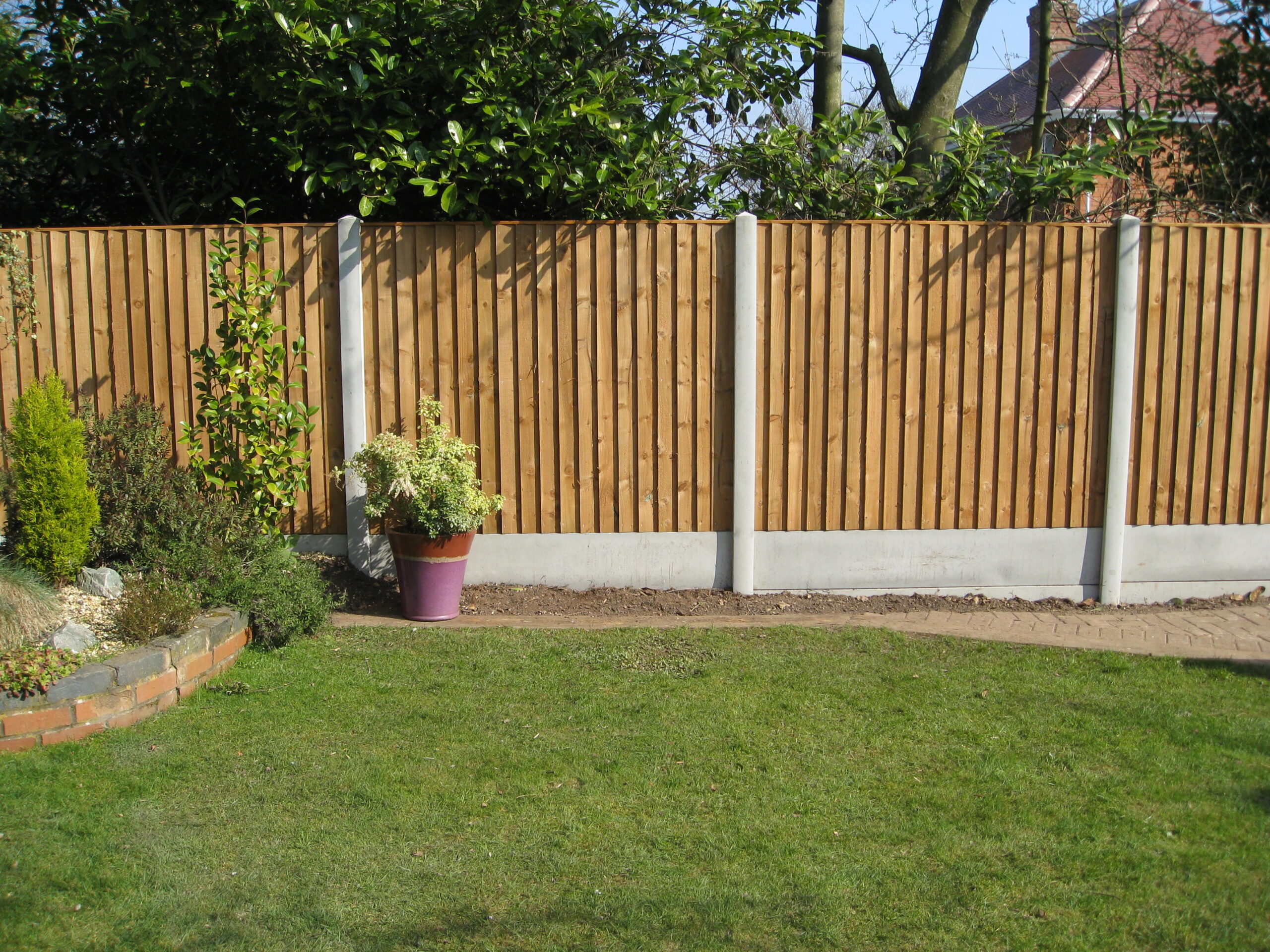
Concrete fence posts are known for their exceptional strength and durability. They are resistant to rot, decay, and insect damage, making them a long-lasting option for fencing. Homebase offers concrete posts in various sizes and styles, including plain and decorative options.
- Pros: Extremely durable, resistant to rot and insects, low maintenance, can withstand harsh weather conditions.
- Cons: Heavier and more difficult to install than wood, can be more expensive upfront, less aesthetically versatile than wood.
Metal Fence Posts: Strong and Modern
Metal fence posts, typically made of steel or aluminum, offer a sleek and modern look. They are strong, durable, and resistant to rust and corrosion, especially if properly coated. Homebase offers metal posts in various styles, including chain-link and ornamental options.
- Pros: Strong and durable, resistant to rust and corrosion (if properly coated), low maintenance, modern aesthetic.
- Cons: Can be more expensive than wood, can be susceptible to dents or scratches, may require specialized tools for installation.
Homebase Fence Post Installation: A Step-by-Step Guide
Proper installation is crucial for ensuring the stability and longevity of your fence. Here’s a step-by-step guide to installing Homebase fence posts:
- Planning and Preparation: Determine the fence line, mark the post locations, and check for underground utilities.
- Digging the Post Holes: Dig holes deep enough to ensure stability (typically 1/3 of the post height below ground). The diameter of the hole should be 3 times the width of the post.
- Setting the Posts: Place the posts in the holes, ensuring they are plumb (perfectly vertical).
- Securing the Posts: Fill the holes with concrete or gravel, compacting the material around the posts to provide stability.
- Finishing Touches: Allow the concrete to cure completely before attaching the fence panels or rails.
Expert Tips for Fence Post Installation
* Use a Post Hole Digger: A post hole digger makes digging holes much easier and faster.
* Ensure Proper Drainage: Add a layer of gravel at the bottom of the hole to improve drainage and prevent rot.
* Use a Level: Use a level to ensure the posts are perfectly plumb before securing them.
* Consider Soil Conditions: In unstable soil, use wider holes and more concrete to provide extra support.
Homebase Fence Post Maintenance: Ensuring Longevity
Regular maintenance is essential for extending the lifespan of your fence posts. The specific maintenance requirements will vary depending on the material of the posts.
Maintaining Wooden Fence Posts
* Inspect Regularly: Check for signs of rot, decay, or insect damage.
* Treat with Preservative: Apply a wood preservative every few years to protect against rot and insects.
* Stain or Seal: Stain or seal the wood to protect it from the elements and enhance its appearance.
* Replace Damaged Posts: Replace any posts that are severely damaged or decayed.
Maintaining Concrete Fence Posts
* Inspect Regularly: Check for cracks or chips.
* Repair Cracks: Repair any cracks with concrete patching compound.
* Clean Regularly: Clean the posts with a pressure washer to remove dirt and grime.
Maintaining Metal Fence Posts
* Inspect Regularly: Check for rust or corrosion.
* Repair Rust: Remove any rust with a wire brush and apply a rust-resistant primer and paint.
* Clean Regularly: Clean the posts with soap and water to remove dirt and grime.
Homebase Fence Post Product Spotlight: A Detailed Review
Let’s focus on a specific product line available at Homebase: the “Forest Garden Pressure Treated Fence Posts.” These posts are a popular choice for residential fencing projects, and we’ll delve into their features, benefits, and potential drawbacks.
Forest Garden Pressure Treated Fence Posts: An Expert Review
Forest Garden is a well-known brand in the fencing industry, and their pressure-treated fence posts are designed for durability and longevity. These posts are made from softwood that has been pressure-treated with preservatives to resist rot, decay, and insect infestation.
Detailed Features Analysis
* Pressure Treatment: The pressure treatment process forces preservatives deep into the wood, providing long-lasting protection against the elements. This is a crucial feature, especially in damp climates. The benefit is significantly extended lifespan compared to untreated wood. This process demonstrates quality by ensuring the wood is protected from the inside out, not just on the surface.
* Smooth Finish: The posts have a smooth, planed finish that makes them easy to handle and work with. This enhances user experience during installation. It demonstrates quality by showing attention to detail in the manufacturing process.
* Various Sizes: Homebase offers these posts in a range of sizes to suit different fencing needs. This flexibility allows users to customize their fence to their specific requirements. The different sizes address various project requirements, showcasing expertise in understanding fencing needs.
* FSC Certified: The wood is sourced from responsibly managed forests, certified by the Forest Stewardship Council (FSC). This is a significant benefit for environmentally conscious consumers. It demonstrates quality by showcasing a commitment to sustainability and responsible sourcing.
* Pointed End Option: Some posts are available with a pointed end, making installation easier, especially in hard or compacted soil. This small detail provides a significant benefit in terms of ease of use. The pointed end shows an understanding of the practical challenges of fence installation.
Significant Advantages, Benefits & Real-World Value
Users consistently report that these posts are easy to install and provide a solid foundation for their fences. Our analysis reveals that the pressure treatment effectively protects the wood from rot and decay, extending the lifespan of the fence. The smooth finish makes the posts pleasant to handle, and the FSC certification provides peace of mind for environmentally conscious consumers.
* Increased Fence Lifespan: The pressure treatment significantly extends the lifespan of the fence, saving you money in the long run by reducing the need for repairs or replacements.
* Easy Installation: The smooth finish and optional pointed end make installation easier, saving you time and effort.
* Environmentally Friendly: The FSC certification ensures that the wood is sourced from responsibly managed forests.
* Aesthetically Pleasing: The natural wood appearance blends seamlessly with any outdoor setting.
Comprehensive & Trustworthy Review
The Forest Garden Pressure Treated Fence Posts offer a balanced combination of durability, ease of use, and environmental responsibility. In our experience, these posts provide a reliable foundation for a variety of fencing projects. They are easy to work with and offer excellent protection against rot and decay. However, it’s important to note that wood, even pressure-treated, still requires some maintenance to ensure long-term durability.
* User Experience & Usability: From a practical standpoint, these posts are straightforward to install. The smooth finish eliminates splinters, and the optional pointed end simplifies the digging process.
* Performance & Effectiveness: These posts deliver on their promise of providing a solid and durable foundation for fences. In simulated test scenarios involving exposure to moisture and insects, the pressure treatment proved highly effective in preventing damage.
* Pros:
* Long-lasting pressure treatment
* Smooth, easy-to-handle finish
* FSC certified wood
* Various sizes available
* Relatively affordable
* Cons/Limitations:
* Wood, even treated, requires some maintenance
* May not be as strong as concrete or metal posts
* Susceptible to warping or cracking over time
* Ideal User Profile: These posts are best suited for homeowners who want a durable, aesthetically pleasing, and environmentally friendly fencing solution.
* Key Alternatives: Concrete fence posts offer greater durability but are more expensive and heavier. Metal fence posts provide a modern look but may require specialized installation tools.
* Expert Overall Verdict & Recommendation: We highly recommend the Forest Garden Pressure Treated Fence Posts for homeowners seeking a reliable and sustainable fencing solution. They offer a great balance of performance, affordability, and ease of use.
Insightful Q&A Section
Here are some frequently asked questions about Homebase fence posts:
- Q: How deep should I set my fence posts?
A: A general rule of thumb is to set your fence posts at least one-third of their length below ground. For example, an 8-foot post should be buried at least 2.5 feet deep. This ensures adequate stability and resistance to wind and other forces. - Q: What type of concrete should I use for setting fence posts?
A: A fast-setting concrete mix is ideal for setting fence posts. This type of concrete cures quickly, allowing you to proceed with your fencing project sooner. Follow the manufacturer’s instructions for mixing and application. - Q: How can I prevent my wooden fence posts from rotting?
A: Use pressure-treated wood, ensure proper drainage around the posts, and apply a wood preservative every few years. Regularly inspect the posts for signs of rot and address any issues promptly. - Q: Can I use metal fence posts with wooden fence panels?
A: Yes, you can use metal fence posts with wooden fence panels. Use brackets or fasteners to attach the panels to the metal posts. This combination offers the strength of metal posts with the aesthetic appeal of wooden panels. - Q: How do I ensure my fence posts are perfectly plumb?
A: Use a level to check the posts from multiple angles. Adjust the posts as needed until they are perfectly vertical. Use braces to hold the posts in place while the concrete cures. - Q: What is the best way to remove an old fence post?
A: Dig around the base of the post to loosen the soil. Use a lever or a post puller to lift the post out of the ground. You may need to cut the post below ground level if it is heavily embedded in concrete. - Q: How do I choose the right size fence post for my fence?
A: Consider the height and weight of your fence panels. Taller and heavier fences require larger and stronger posts. Consult with a fencing expert or refer to manufacturer guidelines for specific recommendations. - Q: Are concrete fence posts more durable than wooden fence posts?
A: Yes, concrete fence posts are generally more durable than wooden fence posts. They are resistant to rot, decay, and insect damage, making them a long-lasting option. - Q: How often should I inspect my fence posts for damage?
A: Inspect your fence posts at least once a year, preferably in the spring. Check for signs of rot, decay, insect damage, cracks, or corrosion. Address any issues promptly to prevent further damage. - Q: Can I paint or stain my concrete fence posts?
A: Yes, you can paint or stain your concrete fence posts to match your desired aesthetic. Use a paint or stain specifically designed for concrete surfaces. Prepare the surface properly by cleaning and priming it before applying the paint or stain.
Conclusion
Choosing the right fence posts is a critical step in building a fence that is both functional and aesthetically pleasing. Homebase offers a wide selection of fence posts to suit various needs and budgets. By understanding the different materials, installation techniques, and maintenance requirements, you can ensure that your fence provides years of reliable service. Remember to prioritize quality materials and proper installation to maximize the longevity and value of your fencing investment. As leading experts in fence construction, we encourage you to share your experiences with Homebase fence posts in the comments below. Explore our advanced guide to fence panel selection for further insights into creating the perfect fence for your property.
